
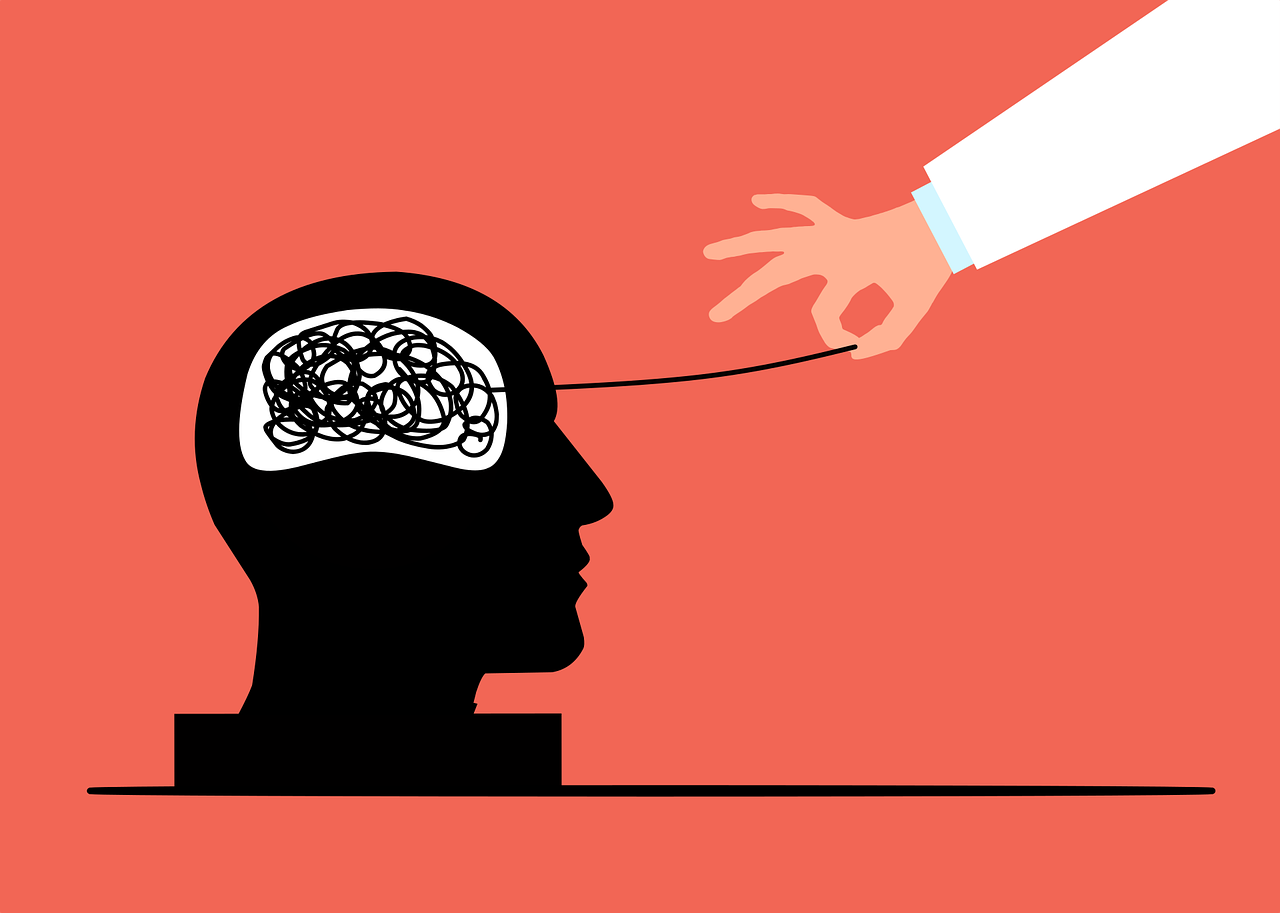
Information has never been more accessible, yet making everyday decisions often feels harder than ever. Research published in the Journal of Consumer Affairs suggests that information overload significantly increases consumer confusion and makes people more likely to delay decisions. The challenge isn’t always a lack of information—it’s knowing how to process it.
As a result, more people are turning to AI-powered clarity apps for help with everyday decisions. The biggest shift isn’t that AI can provide answers—it’s that newer tools are starting to guide users through the thinking process itself. Instead of adding more information to an already crowded mind, they’re helping people slow down, organize their thoughts, and reach their own conclusions.
What Is Decision Fatigue?
Decision fatigue describes the mental exhaustion that builds after making repeated choices throughout the day. Every decision requires your brain to evaluate options, compare outcomes, and process new information. Over time, that mental effort accumulates.
The effects aren’t always dramatic. Sometimes decision fatigue looks like endlessly comparing similar products before making a purchase. Other times it appears as procrastination, second-guessing, or repeatedly asking friends for advice without feeling any closer to a conclusion.
Why One Thinking Style Doesn’t Work for Every Decision
Imagine using the same tool to repair every problem around your home. A hammer works well for nails, but it’s the wrong solution for tightening a screw or measuring a room. Thinking works much the same way.
Choosing between two job offers requires careful comparison of long-term priorities. Resolving a disagreement often depends on empathy and perspective. A creative challenge benefits from exploring possibilities before narrowing them down. Financial decisions usually call for weighing risks and trade-offs.
Yet many of us approach every situation with the same question: “What should I do?”
When every decision follows the same thinking process, it’s easy to become stuck. The problem isn’t always uncertainty—it’s that the structure you’re using doesn’t match the situation you’re trying to solve.
How Structured Reflection Reduces Mental Friction
Structured reflection introduces a simple but powerful idea: instead of trying to answer everything at once, break your thinking into purposeful stages.
Rather than jumping between worries, possibilities, and assumptions, you deliberately examine one perspective at a time. You might begin by identifying the facts, then question your assumptions, consider possible outcomes, and finally reflect on which option aligns most closely with your priorities.
This approach reduces cognitive friction because your brain no longer has to juggle every variable simultaneously. Instead of feeling overwhelmed by dozens of competing thoughts, you create a clear path through the decision.
Perhaps more importantly, structured reflection encourages progress instead of perfection. Very few decisions come with complete certainty, but organizing your thinking often provides enough clarity to move forward with confidence.
Why Thinking Frameworks Lead to Better Decisions
Different situations call for different mental frameworks. A difficult conversation may benefit from viewing the issue through another person’s perspective. An important career decision might require comparing long-term goals against immediate opportunities. A creative project could benefit from challenging assumptions before evaluating practical constraints.
This is why structured thinking frameworks have become increasingly valuable. Rather than assuming every problem should be solved through one long internal debate, they encourage people to approach each situation most appropriately.
The idea has also influenced a new generation of AI-powered reflection tools. Instead of encouraging users to stay in one long conversation, some guide people through different ways of examining a problem depending on the situation. Some of these tools guide people through different ways of examining a problem depending on the situation, rather than keeping them locked in one long internal debate.
Better Questions Create Better Decisions
Decision fatigue isn’t simply the result of making too many choices. More often, it comes from trying to process too much information without a clear way to organize it.
Learning to pause, slow your thinking, and apply the right framework to the right situation can make even difficult decisions feel more manageable. Whether you’re considering a career move, planning a major purchase, or navigating a personal challenge, clarity usually comes from asking better questions rather than collecting more opinions.
Good decisions rarely require endless reflection. They require intentional reflection. When thinking has structure, uncertainty becomes easier to navigate, and moving forward feels far less overwhelming.
Hercules Designs
3450 Third Avenue Unit 411
San Diego
CA
92103
United States


