
Hendersonville Laundry Experts Explain How Families Can Keep Dark Garments Looking Newer
Hendersonville, United States – July 10, 2026 / Custom Fine DryCleaning /
Custom Fine Dry Cleaning Shares Tips to Prevent Dark Clothes From Fading
Hendersonville laundry professionals explain how water temperature, detergent, friction, and drying methods affect dark garments
Custom Fine Dry Cleaning offers practical guidance for families looking to protect dark clothing and simplify weekly laundry care
Custom Fine Dry Cleaning is helping families in Hendersonville, North Carolina understand why dark clothes often fade faster than expected and what can be done to prevent it. The company recently shared practical laundry guidance for anyone who has noticed black, navy, or deep-colored garments becoming lighter, duller, or gray after only a few months of regular washing.
According to Custom Fine Dry Cleaning, fading that appears quickly is often not caused by normal wear alone. In many cases, it is the result of common laundry habits that gradually strip color from dark fabric. These habits are repeated in households every week, especially by busy families managing towels, school clothing, sports uniforms, beach gear, guest linens, and everyday wardrobes.
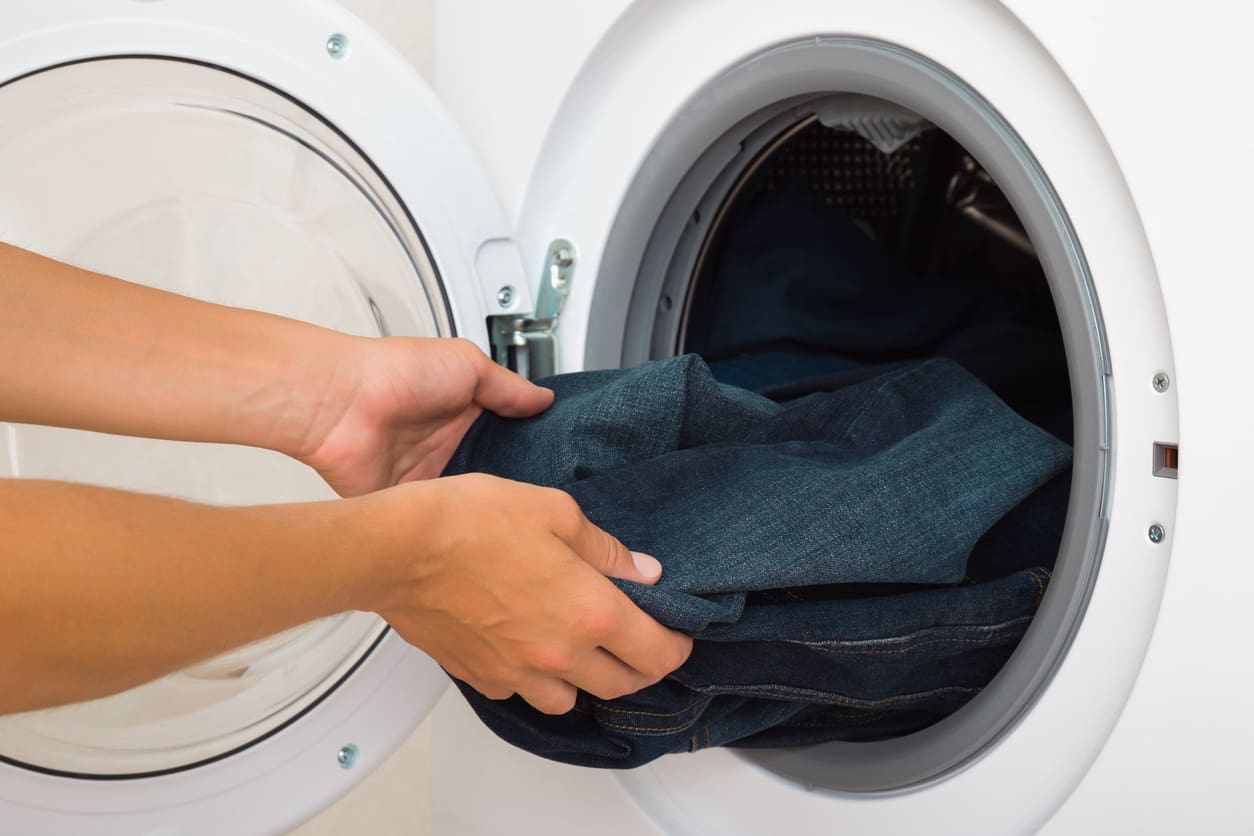
Hot and Warm Water Can Cause Dark Clothes to Fade Faster
One of the most common causes of fading is washing dark clothing in hot or warm water. When fabric is exposed to heat during the wash cycle, the fibers can expand. As those fibers open, dye molecules can escape into the water. Over time, each warm or hot wash removes a small amount of color from the garment.
This effect is especially visible on black, navy, deep red, and other dark-colored clothing. A black T-shirt washed repeatedly in warm water will usually look duller than the same shirt washed in cold water, even when the detergent, cycle, and fabric are otherwise the same.
Custom Fine Dry Cleaning recommends cold water as the best default setting for most dark laundry loads. Dark cottons, casualwear, towels, denim, athletic wear, swim cover-ups, and beach gear are generally best washed in cold water. Lukewarm water may be used only when heavy odor needs to be addressed, such as with workout gear, but hot water should be avoided for dark garments unless the care label specifically requires it.
Turning Dark Clothes Inside Out Helps Protect the Visible Surface
Another common mistake is washing dark clothing right side out. While many people have heard that dark clothes should be turned inside out, the step is often skipped when laundry piles are large or time is limited.
During every wash cycle, clothing rubs against other garments and the washer drum. This friction removes surface dye from the outside of the garment first because that is the side making the most contact. Turning clothing inside out shifts that abrasion to the inner surface, helping protect the visible side of the garment.
This practice is especially useful for dark jeans, school uniforms, sports uniforms, and other dark garments that are washed frequently. It also helps when sandy towels or beach clothing are part of the laundry load, since sand particles can increase abrasion and act like sandpaper against fabric.
Custom Fine Dry Cleaning recommends making this step a hamper habit rather than a laundry-day task. When clothes are placed into the hamper inside out, they are more likely to be washed correctly without adding another step at the machine.
Too Much Detergent Can Leave Dark Clothes Looking Dull
Using too much detergent can also make dark clothing appear faded. More detergent may seem like it should produce cleaner clothes, but excess detergent can remain in the fabric if the rinse cycle cannot remove it completely.
When detergent residue dries into dark fabric, it can create a faint white or gray film. This residue may give black and dark-colored clothing a chalky, washed-out appearance even when the dye itself has not fully faded.
Custom Fine Dry Cleaning notes that over-measuring detergent is common in busy households. An extra splash may feel like added cleaning power, but it can create buildup that dulls the garment over time.
For a standard dark load, one tablespoon of liquid detergent is often sufficient. If suds remain during the rinse cycle, the load likely contains too much detergent.
The company also recommends using a color-safe or dark-specific detergent when possible. Standard detergents may contain optical brighteners designed to make white and light clothing appear brighter. Those same ingredients can work against dark clothing over repeated washes. Dark or color-protecting detergents are typically designed without optical brighteners and may include agents that help preserve color vibrancy.
High Heat Drying Can Age Dark Clothes Quickly
Custom Fine Dry Cleaning also identifies high heat drying as one of the most damaging habits for dark clothing. While many people focus on wash settings, dryer settings are often overlooked.
A high-heat dryer cycle exposes fabric to sustained heat for an extended period. This can continue to release dye and weaken the appearance of dark garments. For families running several loads back to back, high heat can cause dark clothing to age faster than expected.
Low heat tumble drying is a better option for dark garments. Although the load may take longer to dry, the lower temperature helps reduce color loss. Air drying is the gentlest option, especially for dark knits, denim, and structured garments.
Custom Fine Dry Cleaning also cautions against drying dark clothes in direct sunlight. While outdoor drying can be effective, direct UV exposure can fade dark dyes quickly. Shade drying, such as on a covered porch or shaded outdoor area, is a better choice when air drying outside.
A Simple Routine Can Help Preserve Dark Clothing
Custom Fine Dry Cleaning recommends a simple routine for families who want to keep dark clothing looking newer for longer. Dark garments should be washed in cold water, turned inside out before washing, cleaned with a color-safe or dark-specific detergent, and dried on low heat or air dried in the shade.
Dark clothing should also be washed separately from lights to help prevent lint transfer and color issues. Hot water, high heat drying, and direct sunlight should be avoided whenever possible.
These steps do not require complicated products or special equipment. Instead, they rely on consistent habits that help reduce fading over time.

Custom Fine Dry Cleaning Offers Wash and Fold Laundry Service in Hendersonville
For families who run multiple laundry loads each week, managing every fabric care detail can be difficult. Beach towels, children’s gear, sports uniforms, guest linens, and everyday clothing can quickly become overwhelming, especially during busy seasons.
Custom Fine Dry Cleaning offers Wash and Fold Laundry Service for families in Hendersonville who want their laundry handled with care. The service is designed to help protect dark clothing by using the right water temperature, proper detergent practices, inside-out handling when appropriate, and careful drying methods.
Families searching for a laundry service near Hendersonville, North Carolina can contact Custom Fine Dry Cleaning for professional laundry support that helps reduce fading and protects the appearance of dark garments.
About Custom Fine Dry Cleaning
Custom Fine Dry Cleaning provides professional dry cleaning and laundry services for customers in Hendersonville, North Carolina. The company helps local families and individuals care for everyday garments, specialty items, and recurring laundry needs with reliable service and attention to detail.
Custom Fine Dry Cleaning is located at 423 N. King St., Hendersonville, NC, 28792. The business can be reached by phone at +1 828-977-8509. Hours are Monday through Friday from 7:30 AM to 6:00 PM, Saturday from 9:00 AM to 2:00 PM, and Sunday closed.


Contact Information:
Custom Fine DryCleaning
423 N King St
Hendersonville, NC 28792
United States
Darshan Patel
(828) 693-7426
https://customfinecleaners.com/

Original Source: https://customfinecleaners.com/why-dark-clothes-fade/


