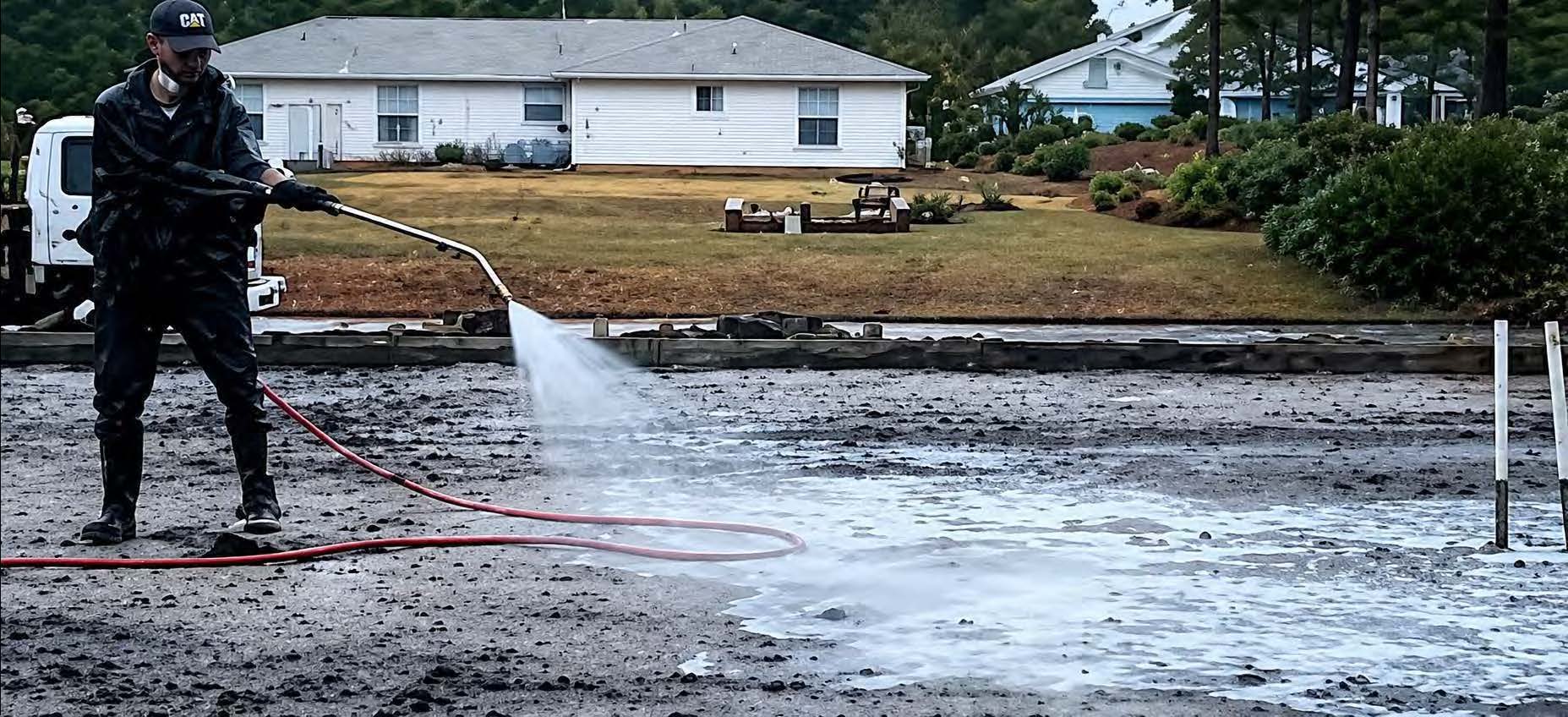
Sacramento entrepreneur seeks millions in damages and calls for stronger protections for businesses near redevelopment projects on contaminated properties.
SACRAMENTO, CA, UNITED STATES, June 22, 2026 /EINPresswire.com/ — Betty Mitchell spent years building her business. She invested nearly $1 million, developed her operations, complied with regulatory requirements, and worked to create a successful company.
Then, according to Mitchell, contamination began appearing inside her business, setting off a years-long effort to determine the source of a problem she says ultimately destroyed inventory, erased revenue and profits, cost her years of work and future opportunities.
“The nightmare is that I spent years trying to solve a problem I didn’t create and didn’t understand,” Mitchell said. “By the time I figured out what I believed happened, the damage was already done.”
Today, Mitchell is seeking more than $9.5 million in damages and believes her experience highlights a larger environmental issue affecting businesses and communities across the United States. According to Mitchell, contaminated project dust associated with Sacramento’s Mirasol Village redevelopment project migrated beyond project boundaries and contaminated her business.
She contends that the resulting contamination led to substantial economic losses and ultimately destroyed the company she spent years building. The redevelopment project involves the Sacramento Housing and Redevelopment Agency (SHRA), McCormack Baron Salazar, Inc., A. Teichert & Son, Inc., and Midstate Construction Corporation.
Mitchell’s claims are currently the subject of litigation pending in Sacramento County Superior Court. The defendants deny liability, and no court has made a final determination regarding the allegations. While the dispute arose in Sacramento, Mitchell argues that the underlying issue is national in scope.
Across the United States, thousands of redevelopment projects are underway on former industrial sites, public housing properties, agricultural lands, rail corridors, and other locations with known or suspected contamination histories.
Federal and state environmental agencies have long recognized that disturbing contaminated soil can create airborne exposure pathways through fugitive dust, vapors, and resuspended contaminated soil particles. Environmental regulators routinely require dust-control measures and site-management procedures intended to prevent contaminants from migrating beyond project boundaries.
Mitchell believes her experience raises important questions about whether neighboring businesses receive adequate notice, monitoring, and protection when redevelopment projects occur on or near historically contaminated properties.
“This isn’t just about one business,” Mitchell said. “It’s about whether small businesses have meaningful protections when major redevelopment projects happen next door.”
According to publicly available environmental records cited by Mitchell, a March 4, 2020, letter issued by the California Department of Toxic Substances Control identified organochlorine pesticides, including chlordane, as chemicals of concern and called for additional environmental investigation at the Sacramento redevelopment site.
Mitchell says she never used, stored, or introduced chlordane into her business and spent years attempting to identify the source of contamination.
She also points to concerns raised by neighboring businesses regarding construction dust associated with redevelopment activities and believes those concerns underscore the need for stronger environmental safeguards and greater transparency.
The Sacramento Business Journal has reported on the environmental and economic issues associated with the matter and interviewed Mitchell regarding the concerns raised by the project.
Mitchell is now calling for reforms, on a statewide level to better protect neighboring businesses when contaminated soil is disturbed during redevelopment activities, including:
Mandatory notification to neighboring businesses when contaminated soil is identified.
Expanded environmental monitoring near occupied commercial properties.
Enhanced dust-control and reporting requirements.
Independent oversight of redevelopment projects involving known contamination concerns.
Greater transparency regarding environmental investigations and remediation activities.
“Redevelopment should not come at the expense of existing businesses,” Mitchell said. “Communities deserve growth, but they also deserve accountability, transparency, and protections when contaminated soil is disturbed.”
Mitchell v. McCormack Baron Salazar, Inc., et al., Sacramento County Superior Court Case No. 25CV010077, is currently proceeding through active discovery: https://www.toxicbuilders.org/_files/ugd/7b8c0b_58d3ab20c76c4d8ab3817c05ee23ffec.pdf
About Betty Mitchell
Betty Mitchell is a Sacramento entrepreneur and small-business advocate who has spoken publicly about environmental accountability, contaminated-soil management, redevelopment oversight, and protections for businesses and communities located near major construction and redevelopment projects.
MEDIA CONTACT
Natalie Rivera
Active Legal Support
Email: legal@activelegalsupport.com
Phone: (866) 882-2784
Media Resources Available Upon Request:
Court filings and pleadings
Environmental records and DTSC documents
Laboratory testing reports
Redevelopment project records
Neighboring dust-complaint documentation
Supporting exhibits and photographs
Interview requests with Betty Mitchell
Natalie Rivera
Active Legal Support
+1 866-882-2784
legal@activelegalsupport.com
Visit us on social media:
LinkedIn
Instagram
X
Legal Disclaimer:
EIN Presswire provides this news content “as is” without warranty of any kind. We do not accept any responsibility or liability
for the accuracy, content, images, videos, licenses, completeness, legality, or reliability of the information contained in this
article. If you have any complaints or copyright issues related to this article, kindly contact the author above.

Media gallery